What Is a "Buy-Side Export"?
Simply put, the goods are yours, the customers are yours, and the money is yours too, butThe customs declaration was filed under someone else's name.The
Why do this?Because some companies do not have import-export licenses, or do not want export revenue to appear on their own books, they purchase customs declaration documents from other companies and ship the goods ”under someone else’s name.”
The money was recovered and deposited into a personal account.The goods were shipped, the money was received, and the books were spotless—there were no export records, nor was any revenue recorded.
It seems flawless, doesn't it?But the tax and customs authorities have long seen through this scheme.
What are the potential pitfalls associated with export payments?
⚠️First pitfall: Mismatch in the three streams, causing the tax system to automatically flag it in red.
There is a fundamental principle in tax audits known as the ”consistency of the three flows”—the flow of goods, the flow of funds, and the flow of invoices must all match.Since the launch of the Golden Tax Phase IV system, customs and tax data have been integrated. Any discrepancies in the system are immediately flagged in red as a warning.
⚠️The second bombshell: Money going into personal accounts, combined with the concealment of income and foreign exchange violations, caused a massive scandal.
Payment for exported goods cannot be received through the company’s corporate bank account in compliance with foreign exchange regulations; it must be deposited into a personal account.
This amounts to two violations: first, the company failed to record or report its revenue, which constitutesTax Evasion; Second, the receipt of foreign exchange proceeds from business operations into a personal account violatesForeign Exchange Control RegulationsThe
When a company in Shenzhen was audited, it was found that an individual account had received 260 million in payment for goods over three years, while the company had reported almost zero revenue. The case was ultimately classified as tax evasion; after the company was required to pay back taxes and fines, it went bankrupt, and the person in charge was jailed.
⚠️The Third Breakthrough: Joint Law Enforcement, with Comprehensive Data Integration Across Three Departments.
Data Integration Among the Customs, Tax, and Foreign Exchange AuthoritiesComprehensive Cross-CheckingThe
Since 2025, several cities—including Shenzhen, Qingdao, and Ningbo—have reported numerous cases of “buy-in” exports being investigated. In each case, the entire chain of individuals involved—those who purchased the invoices, those who sold them, and those who helped collect the foreign exchange—has been uncovered, and not a single one has managed to escape.
What should you do in this situation?
There are actually only three correct approaches:
✅First, stop using third-party billing for exports and complete customs clearance in the company’s own name.
Register your own import and export rights and file customs declarations under your own company name.
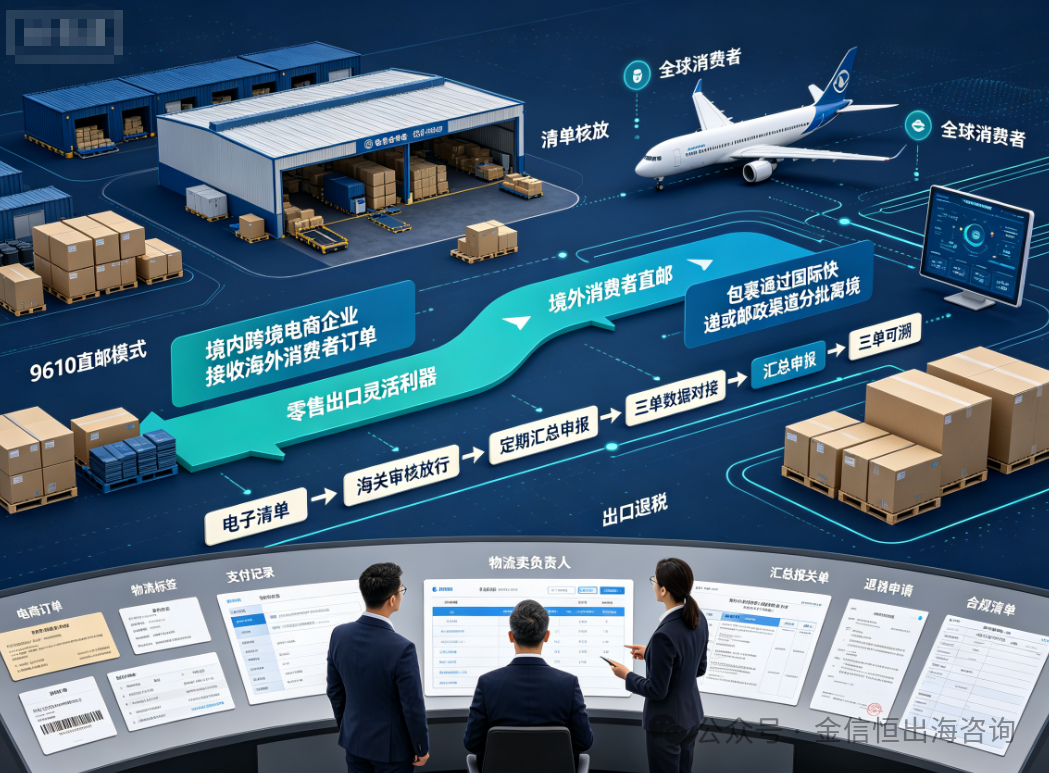
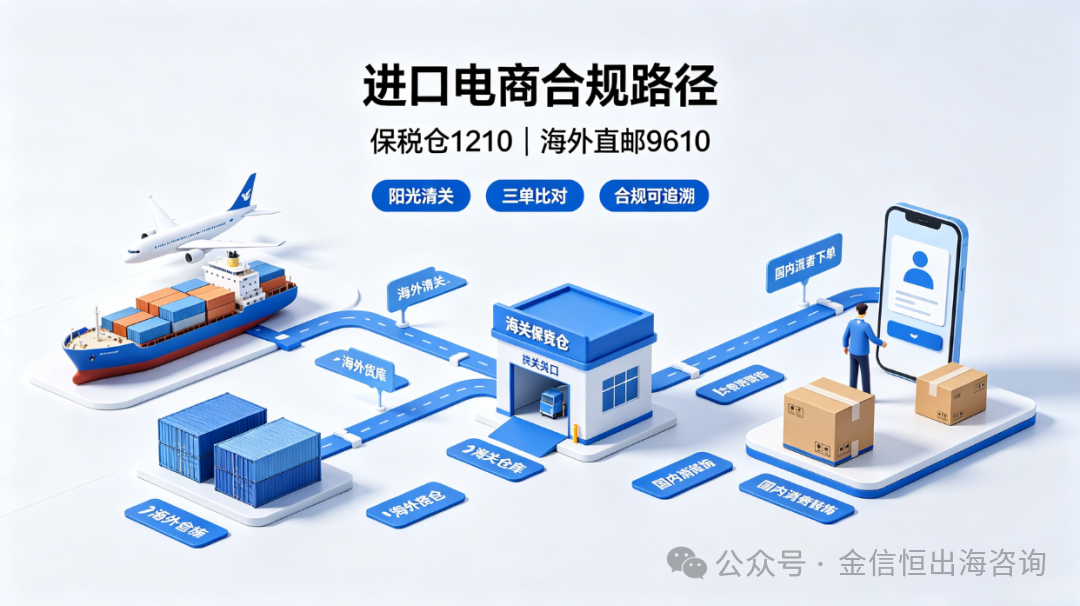
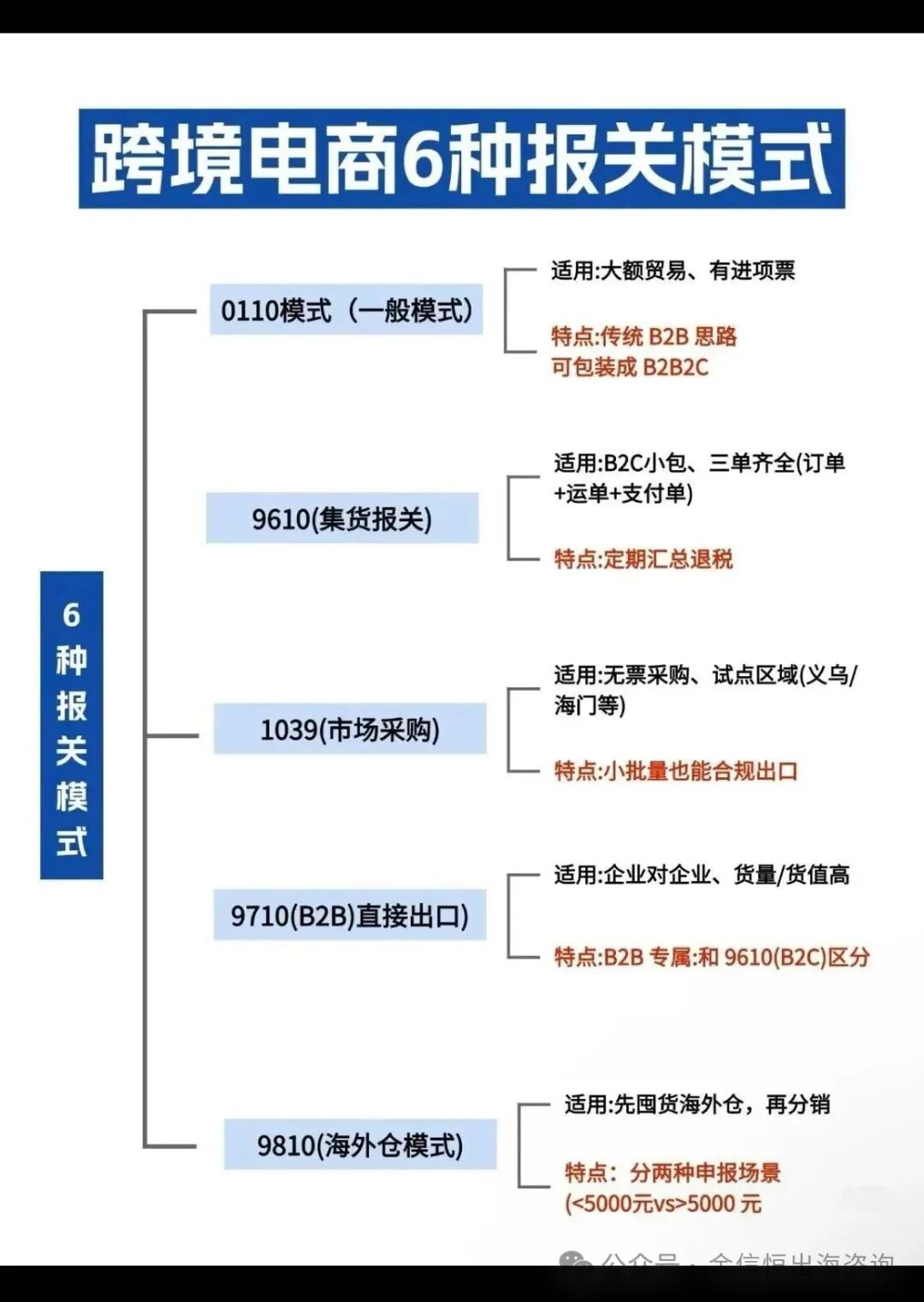
There are now several compliant export models to choose from, including 9610 (cross-border e-commerce B2C exports), 9710 (cross-border e-commerce B2B direct exports), and 9810 (cross-border e-commerce exports to overseas warehouses). The barriers to entry are low, but these options allow you to move from the ”gray area” to the ”whitelist.”
✅Second, establish an end-to-end process covering ”export customs clearance—compliant foreign exchange receipt—tax filing.”
Report the goods using your own company name, receive payment through the company's business bank account, and report and pay taxes on the actual amount of revenue.
✅Third, historical issues should be assessed proactively; don’t wait for the system to flag them.
If you've handled export transactions on a "buy-on-delivery" basis in the past, don't take any chances. Take the initiative to assess the situation and correct any errors!
We at Qicaiying are a service provider specializing in cross-border financial and tax compliance. We handle export invoicing on a daily basis. From reviewing historical documents to conducting risk-based assessments, and from designing remediation plans to implementing compliance models—we have helped our clients break down and rebuild every chain of “mismatched three flows.”
If you want to transition to compliant exporting but don't know where to start, weWe’ll set up a one-on-one consultation with a professional advisor who will first assess your situation and then offer advice.
If you would like to learn about the specific steps involved and receive the relevant materials,You can scan the QR code to add our online customer service representative (WeChat ID:JXH23314), where a professional manager will answer your questions and provide one-on-one service throughout the entire process ↓↓↓