Haven’t Made Any Money After a Year on Takealot? A Review of 10 Real Seller Cases: A Deep Dive into Failed Product Selection, Pricing Mistakes, Operational Negligence, and Tax Risks
Published: July 20, 2026
It’s not that the South African market is a bad one; it’s just that there are some pitfalls you’ll inevitably run into if you don’t steer clear of them. These 10 case studies are all based on real events, and each one is worth reading through.
💡 Have you tried Takealot but didn’t make any money? Not sure what went wrong? Add WeChat ID qcygscszk or call 18676749275, and send 【Case Review】 to get a free one-on-one diagnosis.
Case 1-3: Failed Product Selection
Case 1 involved large furniture items. After importing a batch of bed frames, the initial shipping costs alone ate up 30% of gross profit. FBL storage fees were high, and the return rate was also quite high. After selling for eight months, the net loss came to 12,000 rand.
Case Study 2 focused on consumer electronics accessories (charging cables, phone cases). This category is already highly saturated on Takealot; top sellers have hundreds of positive reviews, and prices have been driven down to rock bottom, leaving no room for new sellers to compete. After persevering for five months, I managed to make some sales but made no profit.
Case 3 involved the food industry. The tariffs and customs clearance requirements for imported food are extremely stringent; the first shipment was held up at customs for three months, and by the time it arrived, it was nearing its expiration date, resulting in a large number of items being written off as losses.
The common lesson from these three cases is that before selecting products, you should conduct competitor analysis (number of positive reviews from top sellers, price range, and supply chain barriers) and estimate shipping costs and customs duties—don’t rely on gut feelings.
Case 4-6: Pricing Errors
Case 4: Underpricing. In an effort to boost sales volume, the price was set below the lowest price of competing products. As a result, while the number of orders increased, the business lost money on each order. The more they sold, the more they lost; the more they lost, the more they had to restock—creating a vicious cycle.
Case 5: Overpricing. Based on the assumption that “South Africans are wealthy,” the price was set at 1.8 times that of competing products, and almost no one gave it a second glance.
Case 6 did not account for VAT. By default, the cross-border marketplace platform withholds 15%VAT, but the seller forgot to factor this deduction into their profit calculations, resulting in a much lower actual payment than expected.
Before setting a price, you must prepare a complete profit and loss statement that includes procurement costs, first-leg shipping, customs duties, commissions, VAT deductions, and FBL fees. Calculate these first, then set the price—don’t just guess.
📌 Not sure if your pricing is reasonable? Add WeChat ID qcygscszk and send [Profit Calculation] to get a one-on-one pricing model.
Case 7-8: Operational Negligence
Case 7: After opening the store, the seller didn’t update the listing or run ads for three months, simply waiting for organic traffic. Since the new store had no reviews, it ranked low in search results and received virtually no exposure—and that’s how three months were wasted.
Case 8: Slow customer service response. A buyer had an issue, but the seller didn’t reply until three days later, by which time the buyer had already requested a refund. A string of negative reviews dragged the account’s rating below 3.8, causing a significant drop in search ranking; it took half a year to recover.
Case 9-10: Tax Risk Type
Case 9: A company exceeded the VAT threshold but failed to register. Two years later, SARS demanded back taxes, and the fine was twice the amount of the tax owed, wiping out two years’ worth of profits in one fell swoop.
In Case 10, the client used a “South African account opening” service. The money was held in the service provider’s account, but the provider later went missing, and the funds in the account could not be recovered, resulting in a loss of more than 150,000 rand.
The lessons from these two cases are that tax compliance must begin from day one, and when it comes to the security of funds, it’s crucial to clearly identify “who holds the account.” If either of these issues goes wrong, the cost will far exceed any savings.
WhyWhy Choose Qi Cai Ying?
What Can We Do for You—
South African Company Registration (CIPC): A valid business address that can be verified during on-site KYC checks by the bank; not a virtual or registered-only address.
Opening a Bank Account (FNB, etc.): We’ll help you schedule your remote in-person interview and prepare the necessary documents—so you won’t have to figure it out on your own.
Takealot Cross-Border and Local Store Onboarding: We provide end-to-end support—from KYC documentation to store operations—not just help with submitting documents
South African VAT Registration and Tax Filing: SARS-Compliant Filing and Regular Bookkeeping to Eliminate Potential Tax Risks
Johannesburg Local On-Site Team: Receiving government correspondence, assisting with bank verification, handling emergencies, and maintaining a permanent local presence
Why You Can Trust Us—
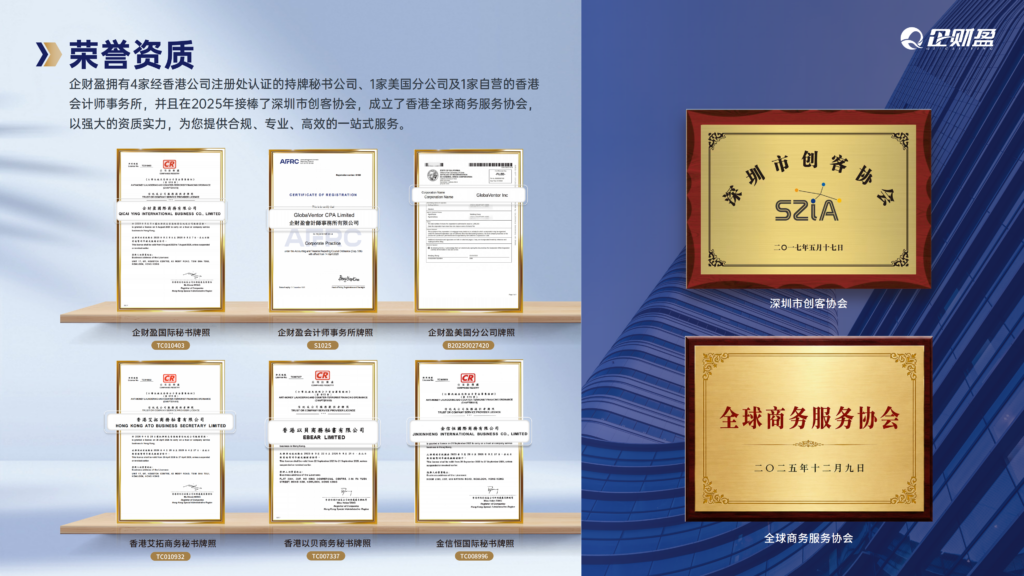
Hong Kong Licensing Qualifications: Three licensed secretarial firms certified by the Hong Kong Companies Registry—not ordinary agencies—that possess the qualifications to serve as statutory secretaries.
In-House Accounting Firms: 1 self-operated Hong Kong accounting firm + a Greater Bay Area accounting firm; audit reports are not outsourced
Endorsed by Industry Associations: Vice President Member of the Shenzhen Bookkeeping Services Association; Board Member of the Shenzhen Cross-Border E-Commerce Association
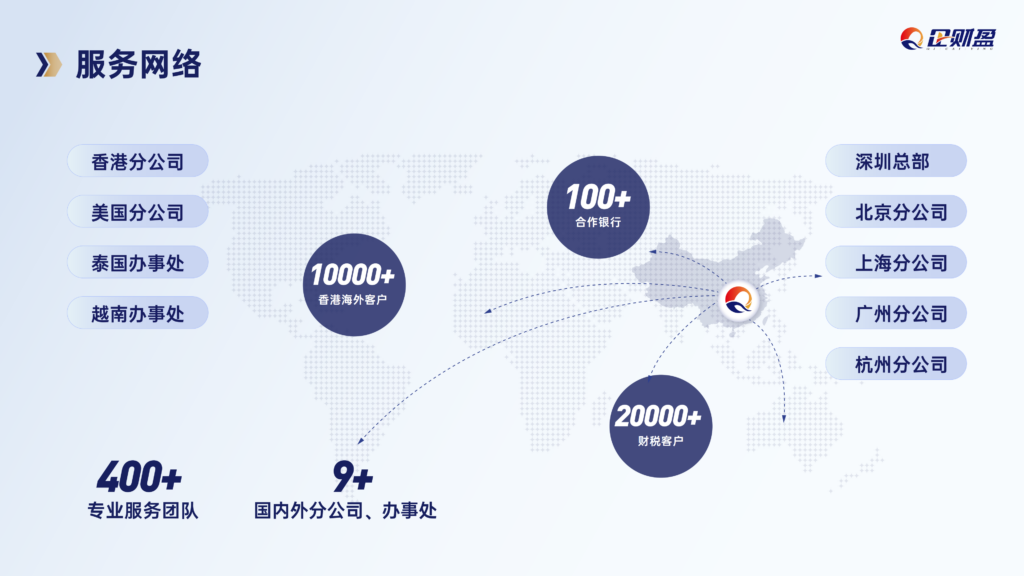
Founded in 2015, we have served over 500,000 small, medium, and micro enterprises with a team of over 400 professionals, including lawyers, CPAs, tax consultants, and cross-border compliance experts. Our core team members have an average of 8 to 15 years of industry experience.
Global Presence: Headquartered in Shenzhen, with branch offices in Beijing, Shanghai, Guangzhou, Hangzhou, Hong Kong, Southeast Asia, and the United States
For more information on opening a store on Takealot or registering a company in South Africa, please contact Qicaiying:
Cross-border e-commerce B2B must see! Registered Hong Kong company stationed in the Ali International Station, really fragrant!
In today's globalized business environment, the cross-border e-commerce B2B model is rapidly emerging with its unique advantages. For many enterprises engaged in cross-border trade, choosing a suitable platform and registering an advantageous company are undoubtedly the key keys to open the door to the international market.
2024 Hong Kong Company Account Opening Tips! How to choose the right Hong Kong bank account?
Global anti-money laundering regulations are becoming more and more stringent, the banks to maintain an account of the sunk cost is getting higher and higher, not moving hundreds of millions of dollars in fines, so that the major banks to open an account threshold as well as the audit process high up, already have a Hong Kong company bosses, how to choose the Hong Kong bank to open a public account? How much does it cost and how to operate? Today to give you a detailed introduction to the Hong Kong company account how to choose, as well as the approximate costs required and other content.
Hong Kong company registration advantages + registration conditions + registration process to share!
If you want to start a business and develop overseas markets, registering a Hong Kong company is undoubtedly a very forward-looking choice. With its unique geographical location, sound legal system, low tax rate and open business environment, Hong Kong company has become a "sharp weapon" for many business owners to open up overseas markets. Why is it so important to register a Hong Kong company in 2024?