If an RFC tax ID is linked to multiple Meike Duo stores, how likely is it that those stores will be suspended? Linking a single tax ID to multiple stores can trigger a chain reaction, leading to store suspensions and frozen funds.
Published: June 17, 2026
To save money, many sellers link the same RFC tax number—which is registered under a single entity—to multiple stores. Before the tax reform, this was indeed a fairly common practice—it saved costs and made management more convenient.
However, following the 2026 tax reform, the underlying logic behind this approach has changed.
💡 If you’re currently using the “one account, multiple logins” method and aren’t sure if there are any risks involved, feel free to add me on WeChat. qcygscszk or call 18676749275
01 First, let’s get this straight: How do platforms identify “one account, multiple stores”?”
The Meikeduo platform identifies "one account, multiple stores" based on two criteria:
Direct Connection for Tax ID Numbers: Each store’s linked RFC tax ID has a unique ID in the SAT system, which the platform compares directly. If the same tax ID appears across multiple stores, the system automatically flags it.
Cross-Checking Data: The platform not only checks tax ID numbers but also cross-checks information such as legal representative details, registered addresses, payment accounts, and IP login addresses. Even if the tax ID numbers differ, a high degree of overlap across other dimensions will trigger an affiliation review.
Following the tax reform, the comparison of these two dimensions shifted from “periodic spot checks” to “real-time monitoring.”
02 How Significant Is the Risk of Having Your Store Shut Down?
This isn't a “matter of probability,” but rather a “chain reaction.”
Once any store under the same tax ID triggers a KYC review, tax anomaly, or risk control violation, all stores under that tax ID will be flagged as “associated risk.” The platform’s logic is that since these stores share the same tax ID entity, they are considered a single business entity.
Real-world scenarios: You have three stores listed, and one of them has been restricted from selling by the platform due to a high return rate—the other two stores will also receive risk control notifications at the same time. It’s not a matter of “only one being suspended,” but rather “all of them being suspended.”
03 There are three additional associated risks
Risk 1: A Chain Reaction of Fund Freezes
Once a store is suspended due to association with another store, payments for all associated stores are simultaneously restricted. Funds in the accounts cannot be withdrawn, and the appeal process is several times more complicated than for a single store—you must provide separate compliance evidence for each store at the same time.
Risk 2: The appeal approval rate is extremely low
Once you’ve been classified as a “single entity operating multiple stores,” you’ll need to prove during the appeal process that each store is an independently operated entity—but this is inherently contradictory, since you’re using the same tax ID number. The platform will not accept explanations such as “We just share the same tax ID number.”
Risk 3: Permanent Ban Record
After a store is shut down due to association with a tax ID, a permanent mark will be left on that tax ID holder’s credit record on the platform. Even if you register a new company or obtain a new tax ID in the future, the platform’s cross-checking of legal representative identities and IP addresses may affect the approval process for your new store.
04 What should I do if I already have multiple stores under the same account?
If your store is currently operating normally, we recommend separating it as soon as possible:
Core stores should retain their affiliated tax ID numbers and plan a path to upgrade to their own tax ID numbers as soon as possible.
Temporarily reduce the operational activity of non-core stores to lower the likelihood of being flagged for review.
After upgrading to your own tax ID, gradually link your stores to that tax ID to achieve a true “one tax ID, one store” system.”
Core Principle: Don’t put all your eggs in one tariff code basket. Once associated risks are triggered, it’s not just one store that suffers—it’s all of them.
📞 If you’d like to upgrade from “One Number, Multiple Accounts” to “One Number, One Store” and receive a one-on-one tax ID separation plan, please feel free to contact Qicaiying. WeChat: qcygscszk
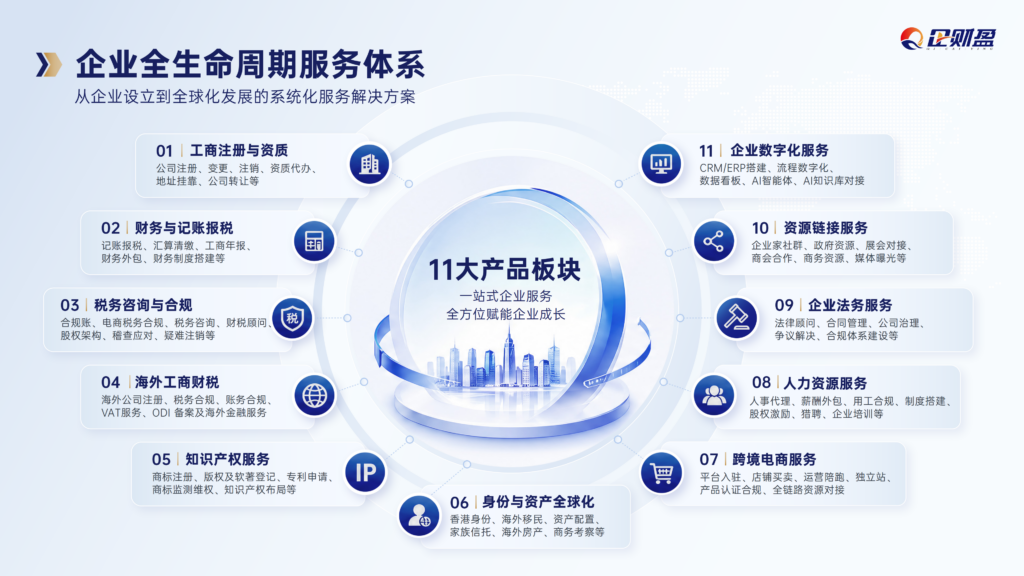
Why choose Enterprise Caiying
What Can We Do for You—
Domestic Company Registration: A valid business address (owned property), with cooperation for on-site bank verification, account opening, and invoice issuance; not a virtual or registered-only address.
Mexican RFC Tax ID: Choose from two options—affiliation with an SA or self-registration. Each ID is linked to a single store on a one-to-one basis; we do not put client stores at risk.
Meike Duo Store Setup: Dual-mode coverage for cross-border and local stores, providing end-to-end support from scratch—not just helping you submit documents
Operations Coaching: Comprehensive coverage of product selection, listing, warehousing, advertising, and post-campaign analysis—it’s not just about creating a group chat and calling it a day
Why Trust Us—
Founded in 2015, we have supported more than 500,000 business owners and help establish over 20,000 new domestic companies and 10,000 new Hong Kong companies each year.
A professional team of over 400 people: domestic business services consultants with at least 5 years of experience, international experts with an average of over 8 years of experience, and an accounting team in the Greater Bay Area with an average of over 10 years of experience
Headquartered in Shenzhen, with offices in Beijing, Shanghai, Guangzhou, and Hangzhou; 4 corporate secretarial firms in Hong Kong and 1 in-house accounting firm
The in-house “Yichuangbao” CRM/ERP system, developed over five years with an investment of tens of millions, features standardized and visualized delivery processes.
For more information on opening a store on Meike, please contact Qicaiying:
📱 Cell: 18676749275 💬 WeChat: qcygscszk
Tags:
Risks Associated with Meike Duo Stores
RFC Mexico
Mercado, French supermarket chain
Recommended
Cross-border e-commerce B2B must see! Registered Hong Kong company stationed in the Ali International Station, really fragrant!
In today's globalized business environment, the cross-border e-commerce B2B model is rapidly emerging with its unique advantages. For many enterprises engaged in cross-border trade, choosing a suitable platform and registering an advantageous company are undoubtedly the key keys to open the door to the international market.
2024 Hong Kong Company Account Opening Tips! How to choose the right Hong Kong bank account?
Global anti-money laundering regulations are becoming more and more stringent, the banks to maintain an account of the sunk cost is getting higher and higher, not moving hundreds of millions of dollars in fines, so that the major banks to open an account threshold as well as the audit process high up, already have a Hong Kong company bosses, how to choose the Hong Kong bank to open a public account? How much does it cost and how to operate? Today to give you a detailed introduction to the Hong Kong company account how to choose, as well as the approximate costs required and other content.
Hong Kong company registration advantages + registration conditions + registration process to share!
If you want to start a business and develop overseas markets, registering a Hong Kong company is undoubtedly a very forward-looking choice. With its unique geographical location, sound legal system, low tax rate and open business environment, Hong Kong company has become a "sharp weapon" for many business owners to open up overseas markets. Why is it so important to register a Hong Kong company in 2024?