2026 Cayman Company Registration|Overseas Top Level Structure Preferred, a read and understand the compliance and practical operation
Published: 2026-05-21
The Cayman Islands are no longer merely an “offshore jurisdiction,” but a destination recognized by global capital, protected by the common law system of the United Kingdom and the United States, and characterized by long-term policy stability.The Top Choice for the Top-Level Architecture of International Companies. From major internet companies to cross-border e-commerce firms, and from private equity funds to family wealth management firms, the Cayman Islands—with its clear institutional advantages—has become a key springboard for Chinese companies expanding into the global market. Written in a concise, formal style suitable for WeChat Official Accounts, this article provides a comprehensive overview of the core value of Cayman Islands companies, key registration points, and compliance considerations.
To receive information + quotation, please contact me (WeChat/telephone inquiry: 1304348584).
I. The Cayman Islands’ Key Advantages: Why Companies Choose to Set Up Here
1. Clear tax advantages that are long-term, stable, and predictable
The Cayman Islands have no corporate income tax, capital gains tax, dividend tax, estate tax, or value-added tax; companies are only required to pay a small annual government fee. Legally established exempt companies may apply for a tax exemption guarantee lasting 20 to 50 years, providing businesses with a predictable tax environment as part of their global strategy and effectively increasing overall profits.
2. A mature legal system with a high level of security and reliability
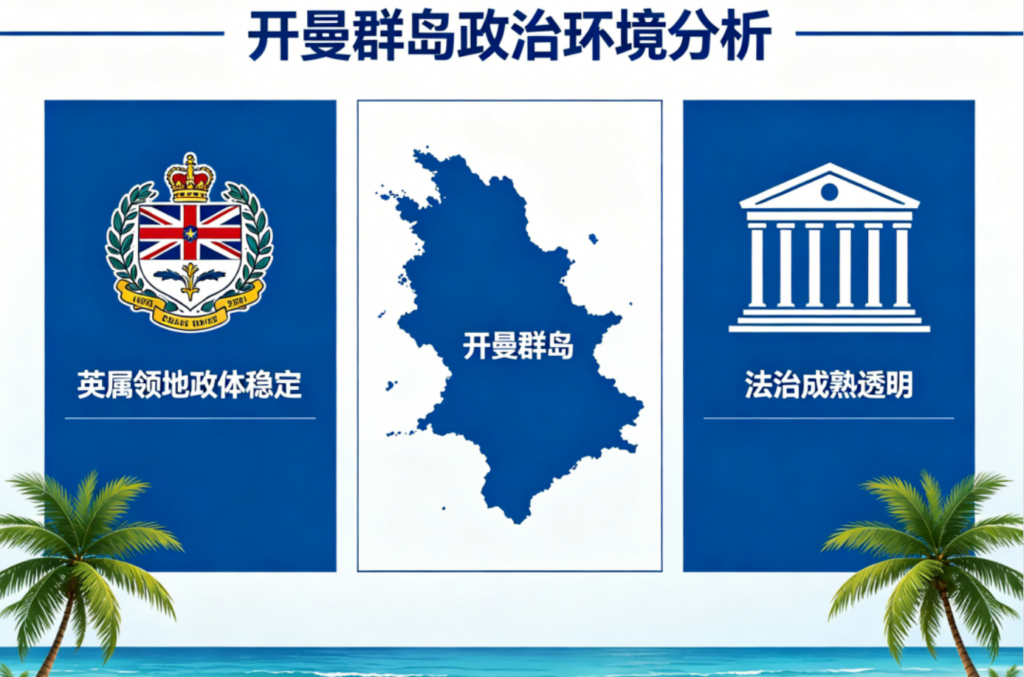
As a British Overseas Territory, the Cayman Islands operates under a well-established and stable system of British common law, featuring a transparent judicial system, a strong commitment to the spirit of contract, and comprehensive protections for rights and interests. With a long-standing political stability, high policy continuity, and no risk of changes in sovereignty, it is one of the offshore jurisdictions most trusted by global capital.
3. Unrestricted global capital flows; a business-friendly environment for IPOs and fundraising
Cayman Islands companies are recognized as standard listing entities in major capital markets such as Hong Kong and the United States, and are also commonly used vehicles for establishing VIE structures and red-chip listings. The legal framework supports multi-tiered equity structures, equity incentives, cross-border mergers and acquisitions, and flexible financing, enabling companies to access global capital and enhance operational efficiency.
4. Flexible fund allocation and efficient cross-border operations
The Cayman Islands have no foreign exchange controls; funds can be freely transferred in and out of the country, and currencies can be freely exchanged. There are no restrictions on profit distribution, equity transfers, or cross-border investments. For companies engaged in cross-border trade, overseas investment, and global operations, this can significantly improve capital turnover efficiency.
5. Clear risk isolation and strong asset protection capabilities
Cayman Islands companies have independent legal personality, which effectively isolates domestic and international operational, debt, and investment risks. At the same time, they ensure data privacy in compliance with regulations, making them suitable for companies to establish holding platforms, hold intellectual property, and engage in global asset allocation.
II. Cayman Islands Company Registration: Key Practical Considerations for 2026
1. The Most Suitable Types of Companies for Chinese Enterprises
The vast majority of Chinese companies choose toCayman Islands Exempt Company. These types of companies are primarily used for international business operations, as listed entities, for overseas holding companies, for holding intellectual property, and for fund structures. They may not conduct business within the Cayman Islands but are characterized by simple maintenance, tax-exempt status, and stability, as well as broad applicability.
2. Basic Registration Requirements
Shareholders: At least one; may be either a natural person or a legal entity; no restrictions on nationality
Directors: At least 1; no nationality requirements; no local directors required
Registered Capital: Standard authorized capital of $50,000; no paid-in capital required and no capital verification required
Registered Address: A valid local address in the Cayman Islands must be used, provided by a licensed agent.
Information Requirements: Beneficial owner due diligence must be completed in accordance with anti-money laundering and compliance requirements.
3. Standard Registration Process
Company Name Search and Approval
Submit proof of shareholder and director status and addresses
Signing the Incorporation Documents and Articles of Incorporation
An application is submitted to the government by a licensed agent in the Cayman Islands
Once the approval process is complete, the registration certificate, articles of incorporation, and related documents can be collected. Provided the entire process goes smoothly, registration is typically completed within 3 to 7 business days.
III. Compliance Requirements to Prioritize in 2026
The Cayman Islands have entered an era of full compliance, and companies can only ensure long-term, stable operations by adhering to the rules.
1. Compliance with Economic Substance Requirements
Companies engaged in activities such as holding companies, investment funds, intellectual property, and distribution must meet the economic substance requirements as specified. The requirements for pure holding companies are relatively simplified; the key is to maintain appropriate records of decision-making, a local registered address, and a compliance contact.
2. Beneficial Owner Registration
The ultimate beneficial owner must be disclosed truthfully and in full, tracing ownership all the way down to the individual level. False or concealed disclosures, or failure to update information in a timely manner, will result in penalties or even delisting of the company.
3. Annual Maintenance and Annual Inspection
Cayman Islands companies must complete their annual filing and pay the required fees on time each year to maintain the company’s valid existence. Failure to do so will result in fines, and prolonged non-compliance will lead to the company’s deregistration, which will affect the company’s credit standing and future operations.
4. Global Tax Compliance
Tax exemption in the Cayman Islands does not equate to global tax exemption. Companies must comply with the relevant regulations of their place of business, the source of their funds, and their Chinese tax residency, ensure compliance with structural requirements and information reporting obligations, and avoid the risks of double taxation or non-compliance.
IV. Use Cases for Cayman Islands Companies: Which Businesses Need Them Most?
1. Companies planning to go public and raise capital overseas
It is suitable for establishing a VIE or Red Chip structure, serving as the listing entity to access international capital markets, and is the standard choice for financing and going public among technology, internet, and new consumer-focused companies.
2. Cross-Border Investment and Global Holding Platforms
Used to hold controlling stakes in overseas subsidiaries, conduct cross-border mergers and acquisitions, and expand overseas operations, thereby achieving risk isolation, centralized fund management, and improved management efficiency.
3. Private Equity Funds and Venture Capital Firms
The Cayman Islands are a major global jurisdiction for fund registration, offering a flexible regulatory framework and efficient operations, making them ideal for establishing the entire process—from fundraising to investment and exit.
4. Intellectual Property and Companies Expanding Overseas
Intellectual property (IP), such as trademarks, patents, and copyrights, can be centrally held for global licensing, thereby optimizing revenue structures and asset protection.
5. Cross-border E-commerce and International Trade Companies
Establish an offshore holding structure to improve the efficiency of capital flows, optimize global settlements, isolate operational risks, and support a global business model.
6. Asset Preservation and Wealth Transfer for High-Net-Worth Individuals
Using companies and trust structures to achieve asset segregation, privacy protection, and estate planning are common tools in global asset allocation.
V. Practical Advice on Registering a Company in the Cayman Islands
First, clarify the purpose: IPO, controlling interest, fund, or IP ownership—the structural design varies significantly depending on the purpose.
Start with compliance planning: economic substance, beneficial owners, CRS, and unified domestic tax arrangements
Choose a professional, licensed service provider: Ensure legal registration, standardized procedures, and reliable ongoing maintenance.
Combined with middle-tier architectures such as those in Hong Kong: Enhance operational flexibility and reduce overall costs
Prioritize Long-Term Maintenance: Avoid “registering but not maintaining,” and ensure the company’s continued effectiveness
concluding remarks
The value of the Cayman Islands lies not in their “offshore” status, but inStable, Compliant, Versatile, and EfficientThe
In today’s world of increasingly transparent global regulation, the Cayman Islands remain an excellent choice for companies looking to expand overseas, conduct capital operations, and protect assets. A truly sustainable structure must be built on genuine needs, legal compliance, and professional implementation.
Properly planning a Cayman Islands structure enables businesses to expand globally more steadily and further.
If you’d like to learn more about registering a Cayman Islands company and related information, please scan the QR code below (you can contact us via WeChat or phone) to get in touch with us at any time. We’ll create a solution that’s best suited for you!
To receive information + quotation, please contact me (WeChat/telephone inquiry: 1304348584).
Tags:
Cayman Company Listing
Cayman Company
Cayman Islands Company
Cayman
Cayman Company Registration
Recommended
Cross-border e-commerce B2B must see! Registered Hong Kong company stationed in the Ali International Station, really fragrant!
In today's globalized business environment, the cross-border e-commerce B2B model is rapidly emerging with its unique advantages. For many enterprises engaged in cross-border trade, choosing a suitable platform and registering an advantageous company are undoubtedly the key keys to open the door to the international market.
2024 Hong Kong Company Account Opening Tips! How to choose the right Hong Kong bank account?
Global anti-money laundering regulations are becoming more and more stringent, the banks to maintain an account of the sunk cost is getting higher and higher, not moving hundreds of millions of dollars in fines, so that the major banks to open an account threshold as well as the audit process high up, already have a Hong Kong company bosses, how to choose the Hong Kong bank to open a public account? How much does it cost and how to operate? Today to give you a detailed introduction to the Hong Kong company account how to choose, as well as the approximate costs required and other content.
Hong Kong company registration advantages + registration conditions + registration process to share!
If you want to start a business and develop overseas markets, registering a Hong Kong company is undoubtedly a very forward-looking choice. With its unique geographical location, sound legal system, low tax rate and open business environment, Hong Kong company has become a "sharp weapon" for many business owners to open up overseas markets. Why is it so important to register a Hong Kong company in 2024?