Three Major Changes to Hong Kong’s Bank Account Opening Policies in 2026: Affiliated Companies Go from Being a Bonus to a Requirement, In-Person KYC Verification Is Upgraded to Document-Based Verification, and Account Monitoring Becomes More Stringent
Published: July 22, 2026
If you've recently tried to open a bank account in Hong Kong, you'll have noticed a trend: the requirements are getting stricter every year.
This is not an illusion. Starting in 2024, the ongoing tightening of global anti-money laundering (AML) and Common Reporting Standard (CRS) information-sharing frameworks has led Hong Kong banks to become increasingly “stringent” in their account opening reviews. The changes in 2026 will primarily focus on three areas: the threshold for affiliated companies, the depth of KYC procedures, and the intensity of ongoing account monitoring.
💡 Not sure how the 2026 policy changes will affect you? Add WeChat ID qcygscszk or call 18676749275, and send [Policy Assessment] to receive a free assessment of your eligibility to open an account.
Change 1: Affiliated companies have gone from being a “bonus” to a “requirement”
Two years ago, if you didn’t have an affiliated company in China, some banks would still open an account for you based on “deposits plus a business plan.” But now, major banks (especially HSBC and Hang Seng) have made having an affiliated company in China a basic requirement for opening an account.
The logic here is that banks need to see that you have a background of “genuine business operations.” A newly registered company in Hong Kong, if it is not backed by any related business operations, is viewed by banks as a shell company—and shell companies are precisely the primary target of anti-money laundering regulations.
What requirements must an affiliated company meet? You’ll need at least two years of social security contribution records (to prove industry experience), recent bank statements (to prove the authenticity of your business operations), as well as basic business contracts and invoices. If your affiliated company has been in operation for less than a year, your options will be much more limited—institutions that are more startup-friendly, such as Dah Sing Bank or CBI Fuhong Bank, would be more realistic choices.
Change 2: In-person KYC verification has evolved from a “question-and-answer” process to a “substantiation” process”
In the past, in-person interviews were mostly question-and-answer sessions—the bank manager asked questions, and you answered. Nowadays, in-person interviews are more like a “defense.” Not only do you have to answer questions, but you also need to use supporting documents to back up your statements.
For example, if you tell the bank manager, “I primarily serve the North American market,” you should be able to provide contracts with North American clients, corresponding logistics documents, and sales records from the platform. If you say, “I expect annual revenue of 3 million HKD,” you should have historical transaction data or a clear business plan to back up that figure.
The reason banks do this is clear: to shift the risk of account opening to an earlier stage. Rather than detecting problems through transaction monitoring after an account has been opened, it’s better to eliminate risks during the account opening process. This also means that you need to prepare for your in-person interview more thoroughly and systematically; the days of passing the interview by “winging it” are over.
Change 3: Stricter ongoing compliance requirements throughout the account’s term
In the past, once an account was opened, there were generally no issues as long as you didn’t make excessively frequent or large transactions. But now, banks conduct periodic “reviews” of accounts—if they find that your actual usage doesn’t match the description you provided when opening the account, or if you haven’t had your accounts audited for an extended period, the bank will send you a letter directly requesting an explanation.
The most common scenario is this: You state that you’re in e-commerce when opening an account, but six months after the account is opened, there are no transaction records—or the transaction types clearly do not match e-commerce settlements. The bank’s risk control system will automatically flag such accounts, leading to inquiry letters, requests for additional documentation, or even account restrictions.
The bar has been raised, but the path hasn't been completely blocked
Raising the bar isn’t a bad thing. It means that compliant companies that take their business seriously can obtain more stable accounts that are more readily accepted by banks. Those who are truly shut out are applicants who are ill-prepared, lack sufficient proof of business operations, or have no genuine business needs at all.
The strategy for dealing with this isn’t actually that difficult: plan ahead. Don’t wait until your company is registered to start thinking about opening an account. You need to have a clear understanding during the company registration phase—what business your company will engage in, where your counterparties are located, and how your funds will flow. Once you’ve thought these through and prepared the necessary supporting documents, you’ll feel much more confident when opening your account.
In addition, choosing the right bank is also crucial. Not all banks are a good fit for your situation. Some banks are e-commerce-friendly, some are more familiar with traditional trade, and others support transactions with countries along the Belt and Road. Choosing a bank is essentially about finding the right “match,” not simply selecting the one with the biggest name.
📞 Not sure which bank is right for you? Feel free to contact Qicaiying for a free bank matching assessment. Just send 【Bank Matching】 via WeChat to qcygscszk.
Why choose Enterprise Caiying
What Can We Do for You—
✔️ Hong Kong Company Registration: Full-service agency, registered office address, and a valid business address for bank KYC verification—not a virtual address
✔️ Fast-Track Bank Account Opening: We have established "whitelist" partnerships with banks such as HSBC, Overseas-Chinese Banking Corporation, Hang Seng, and Dah Sing, and pre-screen documents to increase the success rate of account openings.
✔️ One-stop, end-to-end support: From company registration to opening a bank account, annual reviews, bookkeeping, and audits—a dedicated representative will handle everything for you, so you don’t have to go through the process yourself.
✔️ Cross-border Tax Planning: Hong Kong Certificate of Residence (CoR) and CRS compliance strategies to help you prevent unnecessary exchange of tax information
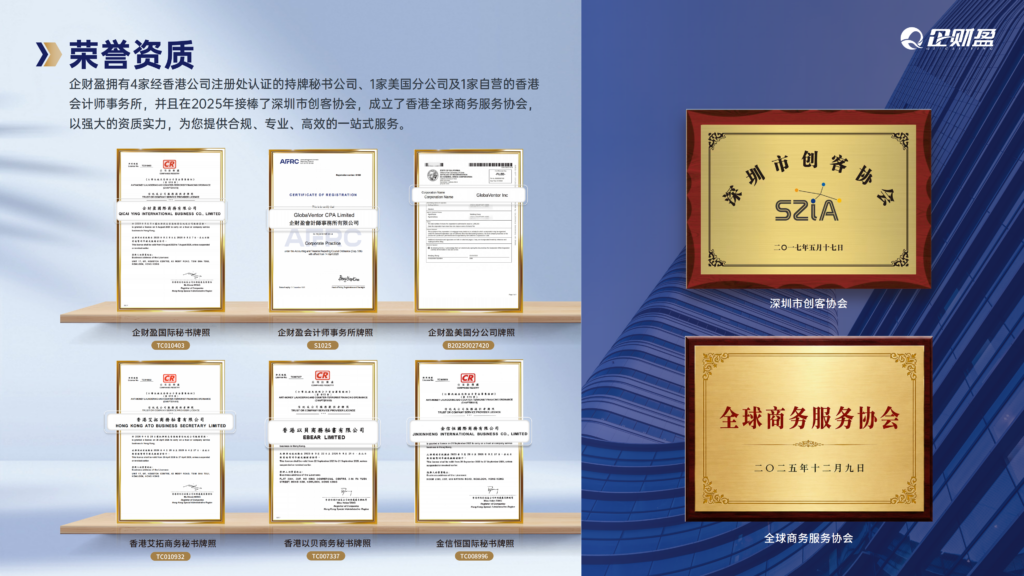
✔️ Local on-the-ground team in Hong Kong: 3 licensed secretarial firms + 1 in-house Hong Kong accounting firm; government correspondence and bank verifications are handled locally; bookkeeping and auditing are not outsourced
Why You Can Trust Us—
✔️ Hong Kong Licensing Qualifications: Three licensed secretarial firms certified by the Hong Kong Companies Registry—not ordinary agencies—that possess the qualifications of a statutory secretary
✔️ In-house accounting firms: 1 self-operated Hong Kong accounting firm + a Greater Bay Area accounting firm; audit reports are not outsourced
✔️ Endorsed by industry associations: Vice President of the Shenzhen Bookkeeping Services Association; Board Member of the Shenzhen Cross-Border E-Commerce Association
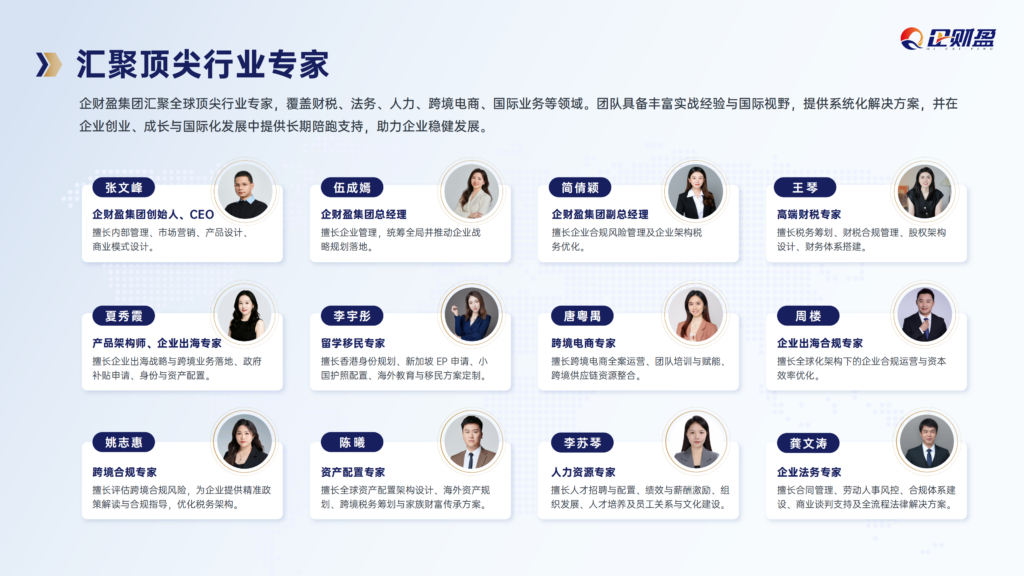
✔️ Founded in 2015, we have served over 500,000 small, medium, and micro enterprises with a team of over 400 professionals, including lawyers, CPAs, tax consultants, and cross-border compliance experts. Our core team members have an average of 8–15 years of industry experience.
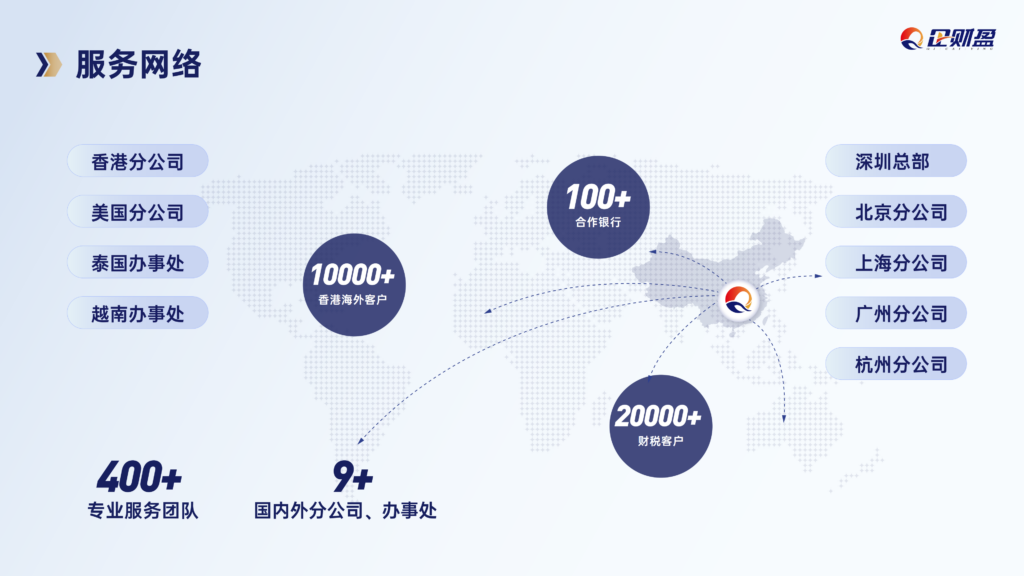
✔️ Global Presence: Headquartered in Shenzhen, with branches in Beijing, Shanghai, Guangzhou, Hangzhou, Hong Kong, Southeast Asia, and the United States
If you're considering registering a company or opening a bank account in Hong Kong, feel free to reach out to us—
Tags:
Policies on Opening Bank Accounts in Hong Kong
Hong Kong Bank Account Opening Tips
Hong Kong Bank Account Opening
Recommended
Cross-border e-commerce B2B must see! Registered Hong Kong company stationed in the Ali International Station, really fragrant!
In today's globalized business environment, the cross-border e-commerce B2B model is rapidly emerging with its unique advantages. For many enterprises engaged in cross-border trade, choosing a suitable platform and registering an advantageous company are undoubtedly the key keys to open the door to the international market.
2024 Hong Kong Company Account Opening Tips! How to choose the right Hong Kong bank account?
Global anti-money laundering regulations are becoming more and more stringent, the banks to maintain an account of the sunk cost is getting higher and higher, not moving hundreds of millions of dollars in fines, so that the major banks to open an account threshold as well as the audit process high up, already have a Hong Kong company bosses, how to choose the Hong Kong bank to open a public account? How much does it cost and how to operate? Today to give you a detailed introduction to the Hong Kong company account how to choose, as well as the approximate costs required and other content.
Hong Kong company registration advantages + registration conditions + registration process to share!
If you want to start a business and develop overseas markets, registering a Hong Kong company is undoubtedly a very forward-looking choice. With its unique geographical location, sound legal system, low tax rate and open business environment, Hong Kong company has become a "sharp weapon" for many business owners to open up overseas markets. Why is it so important to register a Hong Kong company in 2024?