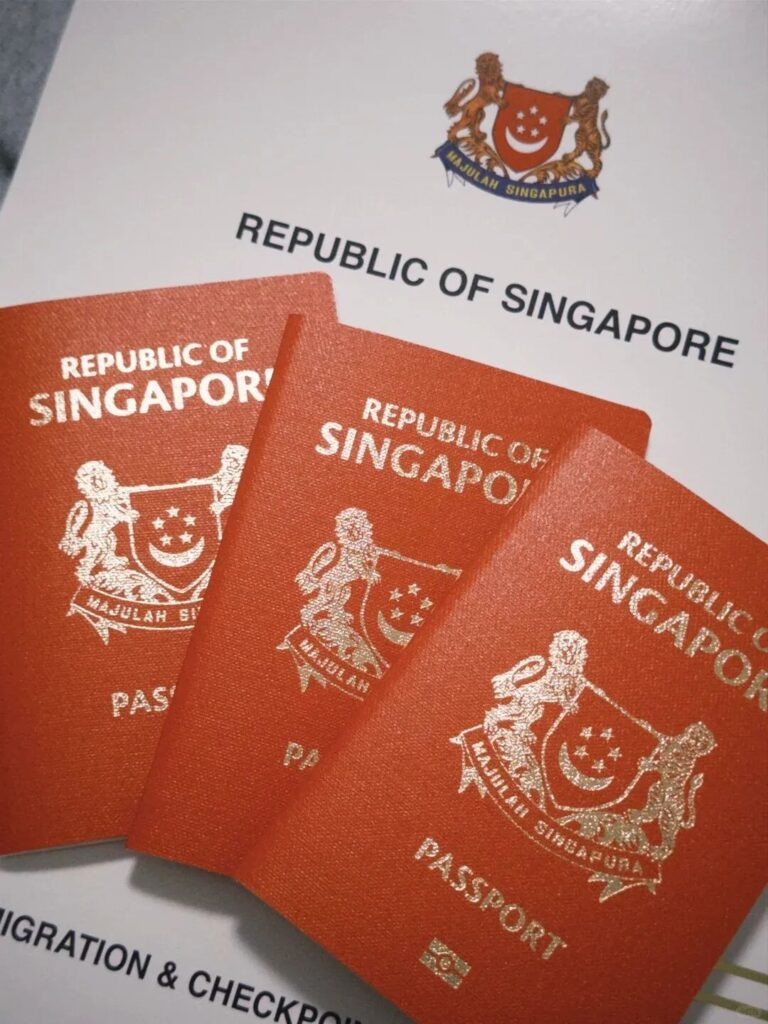
A Comprehensive Guide to Singapore Residency Statuses in 2026: A Comparison of Eligibility Criteria and Benefits for EP, DP, LTVP, and PR
Published: June 23, 2026
In 2026, Singapore’s immigration policies continued to be refined and optimized, with clear definitions established for the application requirements, entitlement rules, and suitable scenarios for various types of residency statuses. For those planning to work in Singapore, accompany their children to school, or settle there long-term, the most pressing question is: Which residency path is right for them?
Please contact me (WeChat/Phone: 1304348584) to request materials and a quote.
In fact, Singapore’s residency system features a well-defined hierarchy and clear division of roles, precisely addressing a range of needs—from high-end employment and family reunification to short-term visits and long-term permanent residency. This article will help you gain a comprehensive understanding of Singapore’s four main residency categories in one go, allowing you to easily identify the optimal plan based on your personal circumstances.
I. EP Work Permit: A Golden Ticket for High-Level Talent to Singapore
The Employment Pass (EP) is Singapore’s core work visa for mid- to high-level foreign talent. It also serves as the foundational status for the vast majority of people seeking employment or starting a business in Singapore, as well as for those looking to eventually transition to permanent residency, meeting both career development and long-term planning needs.
1. Target Audience: Mid- to high-level professionals from China and abroad, as well as corporate executives on assignment and key technical personnel, who are interested in seeking employment or starting a business in Singapore.
2. Core Application Requirements: The Compass points-based assessment system is used; applicants must score 40 points or higher, based on a comprehensive evaluation of factors such as education, salary, work experience, and skills.
3. Basic Visa Rules: The initial approval is valid for two years and may be renewed upon expiration in accordance with the requirements; the entire application process must be based on eligibility as a compliant employer or entrepreneur.
4. Benefits for Accompanying Family Members: As a general rule, applicants may bring their spouse and unmarried children under the age of 21. If the applicant’s monthly salary is SGD 12,000 or higher, they may also sponsor their parents to reside in Singapore, making this program highly family-friendly.
II. DP Family Pass: Family Reunification Status Exclusively for EP Holders
The DP Family Pass is a special residency status tied to the principal EP applicant. It is designed to facilitate family reunification and addresses the core issues of housing, daily living, and education for family members accompanying high-caliber talent who have come to Singapore for work.
1. Eligible Individuals: The legal spouse and unmarried children under the age of 21 of an EP holder in Singapore.
2. Validity Rules: There is no fixed, independent validity period; the validity is entirely tied to the validity of the principal applicant’s EP permit. As long as the principal permit remains valid, the family members’ status remains valid as well, and no separate, cumbersome renewal procedures are required.
3. Key Benefits: Holders of a DP pass may apply for a LOC permit to work legally in Singapore, including self-employment; accompanying children are given priority for admission to Singaporean public and international schools, allowing them to access high-quality local educational resources; they may also accumulate residency time alongside the principal applicant, enabling them to jointly apply for Permanent Resident (PR) status in the future.
III. LTVP Long-Term Visit Permit: Exclusively for Family Visits, Accompanying Students, and Special Family Reunions
The LTVP (Long-Term Visit Pass) is a long-term residence permit issued by Singapore for specific family relationships. It addresses the eligibility limitations of the DP (Dependant’s Pass) and is suitable for a wider range of family reunification, family visit, and accompanying a child’s education scenarios.
1. Eligible Applicants: Parents of EP holders and foreign spouses of Singapore citizens or permanent residents (PRs). This is the primary option for family reunification involving elderly dependents and cross-border marriages.
2. Key Benefits: Holders are also eligible to apply for a LOC permit, allowing them to work legally in Singapore and pursue flexible employment; they are entitled to Singapore’s basic healthcare benefits, which meet the daily needs of long-term family visits, accompanying children to school, and home care, offering far greater residency stability than a short-term tourist visa.
IV. Permanent Resident (PR) (Green Card): The Core Status for Long-Term Residence in Singapore
Permanent Resident (PR) status—commonly referred to as the “Singapore Green Card”—is the key status that allows foreign nationals to settle in Singapore long-term and enjoy local social benefits; it is also the ultimate goal for most people moving to Singapore.
1. Target Audience: Foreign nationals who plan to live, work, and settle in Singapore long-term, and who wish to put down roots, build a future, and enjoy local benefits.
2. Key Application Requirements: The standard path in the industry is as follows: After holding an Employment Pass (EP) and living and working in Singapore for approximately two years, applicants can prepare to apply for Permanent Residency (PR) once they have established a stable residency record and demonstrated contributions to the local community.
3. Unique Core Advantages: Compared to short-term visas, Permanent Resident (PR) status has no employer restrictions, allowing you to freely change jobs or start your own business without being bound by visa requirements; there are no limits on the number of entries and exits, so you can travel to and from Singapore freely; you can participate in Singapore’s Central Provident Fund (CPF) system and enjoy universal healthcare and housing benefits; The cost of sending children to public schools is significantly reduced, offering excellent value for money in terms of education and living expenses.
concluding remarks
Overall, Singapore’s 2026 residency status system features a clear, step-by-step framework: the Employment Pass (EP) serves as the foundation for talent entry; the Dependent Pass (DP) and Long-Term Visit Pass (LTVP) address family reunification needs; and Permanent Residency (PR) is the ultimate goal for long-term settlement. Each status corresponds to different target groups, entitlements, and development paths; there is no absolute “better” or “worse”—it all depends on whether it aligns with your individual needs. You can choose the status option that best suits your career plans, family circumstances, and settlement goals to steadily achieve your plans for residency and settlement in Singapore.
Tags:
Singapore Residency
Singapore EP Application
Singapore Companies
Recommended
Cross-border e-commerce B2B must see! Registered Hong Kong company stationed in the Ali International Station, really fragrant!
In today's globalized business environment, the cross-border e-commerce B2B model is rapidly emerging with its unique advantages. For many enterprises engaged in cross-border trade, choosing a suitable platform and registering an advantageous company are undoubtedly the key keys to open the door to the international market.
2024 Hong Kong Company Account Opening Tips! How to choose the right Hong Kong bank account?
Global anti-money laundering regulations are becoming more and more stringent, the banks to maintain an account of the sunk cost is getting higher and higher, not moving hundreds of millions of dollars in fines, so that the major banks to open an account threshold as well as the audit process high up, already have a Hong Kong company bosses, how to choose the Hong Kong bank to open a public account? How much does it cost and how to operate? Today to give you a detailed introduction to the Hong Kong company account how to choose, as well as the approximate costs required and other content.
Hong Kong company registration advantages + registration conditions + registration process to share!
If you want to start a business and develop overseas markets, registering a Hong Kong company is undoubtedly a very forward-looking choice. With its unique geographical location, sound legal system, low tax rate and open business environment, Hong Kong company has become a "sharp weapon" for many business owners to open up overseas markets. Why is it so important to register a Hong Kong company in 2024?