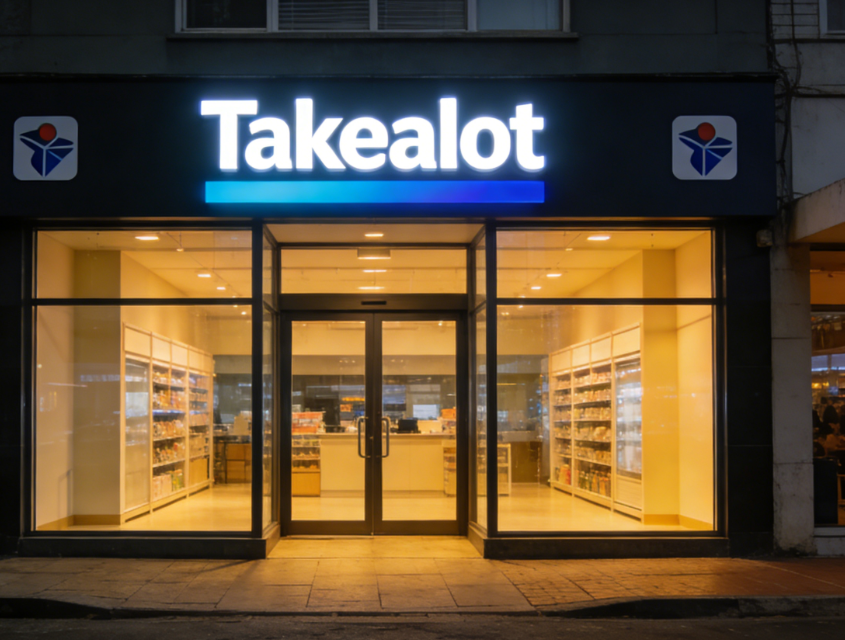
Takealot’s brick-and-mortar stores are booming: A new chapter has begun for e-commerce in South Africa, but 90% is stuck at the first step of compliance.
Published: June 23, 2026
Please contact me (WeChat/Phone: 1304348584) to request materials and a quote.
Many e-commerce business owners have recently been paying attention to a term: “Takealot Local Store,” but those who have actually tried to get into the market have discovered a harsh reality: it’s not that they don’t know how to sell—it’s that they simply can’t get started.
Common roadblocks include:
1. The process of registering a company in South Africa is complex
2. Difficulty in opening a local bank account
3. The review process for joining the platform is lengthy, and applications are often rejected
4. Unclear local VAT/tax rules
5. Completely unfamiliar with the logistics and fulfillment system
The result is this: opportunities are visible, but execution falls short. Behind this, however, lies a broader shift in trends:
I. Global Cross-Border Trends Through the Lens of the “Logic Behind Order No. 837”: Localization Is Becoming the Only Way Forward
Although Order No. 837 is part of the regulatory framework for outbound investment, it sends a very clear signal:
👉 Cross-border business is transitioning from an era of “unrestricted expansion” to an era of “compliance and localized operations”
This line of reasoning is influencing e-commerce platforms around the world, including Takealot:
Past Models for Going Global:
1. Simply register an offshore company
2. You can start operations immediately with cross-border direct shipping
3. Minimal compliance, minimal localization
Current Trends:
1. Local Companies
2. Local Account
3. Local Warehousing and Fulfillment
4. Local Tax Compliance
👉 The fundamental change can be summed up in just one sentence:
The platform has begun to prioritize “sellers with truly localized operations.”
II. The window of opportunity for Takealot’s brick-and-mortar stores is opening up
As South Africa’s largest e-commerce platform, Takealot is essentially reinforcing a logic:
👉 Local Stores = Traffic Priority
📌1. Traffic resources are clearly favoring local sellers
Local stores can receive:
①TakealotNow Express Delivery Label
② Featured in search results
③ Priority access to event resources
Higher Conversion Weight
👉 General industry feedback:
Conversion rates at local stores are significantly higher than those of the cross-border direct shipping model.
📌2. The fulfillment system is more efficient after localization
Through FBT (Official Compliance System):
Johannesburg / Cape Town Dual-Hub Coverage
Next-Day Delivery Available
The platform handles all after-sales service centrally
👉 Compared to cross-border models: Comprehensive optimization of the logistics experience, return rates, and fulfillment costs
📌3. More stable cash flow and funding system
Local Company + Local Banking System:
More stable payment cycles (T+3 system)
Avoiding Uncertainty in Cross-Border Foreign Exchange Settlements
Unified Local Management of the Tax System
👉 Result: Greater transparency and better control over cash flow
📌4. The current competition is still in the early stages of reaping benefits
Compared to established platforms:
The density of Chinese sellers is relatively low
Domestic brands have not yet achieved a complete monopoly
There is still room for price premiums in this category
👉 Particularly suitable for: 3C products, home goods, wigs, small appliances, outdoor gear, and other categories
III. Why Do People with the 90% Pattern Get Stuck at the First Step?
Many people think the problem lies in operations, but that’s not actually the case.
The real problem lies in the front end:
❌ Stuck on company registration
I don't understand the structure of South African companies
Cannot be handled locally
❌ Stuck at the account opening stage
KYC verification is complex
Local banks have high requirements
❌ Stuck in the platform onboarding process
Invitation-based system + strict application requirements
Prone to repeated rejection during the review process
❌ Stuck in the compliance system
Unclear VAT / Tax / Compliance
Afraid to scale up operations
👉 The result is:
The project hadn't even started yet, and I was already discouraged by the process.
IV. The Right Way to Shop at Takealot’s Local Stores
There is only one model that truly works:
👉 Local Entity + Local Account + Compliance-Based Onboarding + System Operations
We offer a complete end-to-end solution:
📌1. Registration of a South African Domestic Company
Company Registration
Local Address Registration
VAT Registration Application
Establishing Basic Compliance Framework
👉 No need to travel abroad—the entire process is completed online
📌2. Support for opening local bank accounts
Organizing KYC Documents
Guide to Opening a Bank Account
Setting Up a Receivables Account
👉 Close the funding loop
📌3. Assistance with Setting Up a Takealot Local Store
Preparing Materials
Category Strategy Planning
Optimization of Review Materials
Improve the Pass Rate
👉 Reduce the likelihood of a failed onboarding
📌4. Full-Cycle Operational Mentoring System
product selection strategy
Listing Optimization
FBT Performance Planning
Ad Campaign Optimization
Data Review and Adjustments
Financial and Tax Compliance Guidance
👉 There is only one goal:
Take your store from “opening” to “thriving.”
V. Who Should Shop at Takealot’s Brick-and-Mortar Stores
If you fall into one of the following categories, this is actually a great fit for you:
1️⃣ Factories/traders with supply chains
2️⃣ Cross-border sellers with experience on Amazon or Temu
3️⃣ Entrepreneurs looking to tap into emerging markets in Africa
4️⃣ Become a seller in high-margin categories such as 3C, home goods, beauty, and outdoor gear
concluding remarks
The essence of Takealot’s brick-and-mortar stores is not a platform opportunity, but rather:
A microcosm of how cross-border e-commerce has entered the “era of localization for survival.”
Future competition among platforms will no longer be about who has the most traffic, but rather: 👉 who has “stronger local compliance capabilities.”
📌If you'd like to learn more about:
Takealot’s requirements for opening a physical store, the company registration process, how to open a local bank account, and a comprehensive implementation plan for going from zero to generating orders
Feel free to scan the QR code below (WeChat or phone—either is fine) to contact us at any time. We’ll provide you with customized, one-on-one store setup plans and end-to-end support to help you enter the South African market during its window of opportunity as quickly as possible.
Tags:
Takealot Opens Its First Local Store
Takealot Tutorial
Takealot Entry Fee
Takealot's Guide to Avoiding Pitfalls
Takealot Cross Border Store
Takealot opening process
Takealot empanelment information
Takealot inbound
Takealot Platform Merchants
Takealot Onboarding Process
Takealot Local Store
Takealot newbie
takealot Payments
Takealot Official Entry Channel
takealot onboarding tutorial
takealot seller
Takealot
Recommended
Cross-border e-commerce B2B must see! Registered Hong Kong company stationed in the Ali International Station, really fragrant!
In today's globalized business environment, the cross-border e-commerce B2B model is rapidly emerging with its unique advantages. For many enterprises engaged in cross-border trade, choosing a suitable platform and registering an advantageous company are undoubtedly the key keys to open the door to the international market.
2024 Hong Kong Company Account Opening Tips! How to choose the right Hong Kong bank account?
Global anti-money laundering regulations are becoming more and more stringent, the banks to maintain an account of the sunk cost is getting higher and higher, not moving hundreds of millions of dollars in fines, so that the major banks to open an account threshold as well as the audit process high up, already have a Hong Kong company bosses, how to choose the Hong Kong bank to open a public account? How much does it cost and how to operate? Today to give you a detailed introduction to the Hong Kong company account how to choose, as well as the approximate costs required and other content.
Hong Kong company registration advantages + registration conditions + registration process to share!
If you want to start a business and develop overseas markets, registering a Hong Kong company is undoubtedly a very forward-looking choice. With its unique geographical location, sound legal system, low tax rate and open business environment, Hong Kong company has become a "sharp weapon" for many business owners to open up overseas markets. Why is it so important to register a Hong Kong company in 2024?