When it comes to cross-border business, what you’re missing isn’t orders—it’s this “status” that can help you save on taxes!
Published: June 16, 2026
Many cross-border e-commerce business owners work very hard to expand their markets, secure orders, and increase production capacity, only to realize in the end that the problem isn’t that they’re making too little profit—it’s that they’ve been overpaying taxes for no reason!
To receive information + quotation, please contact me (WeChat/telephone inquiry: 1304348584).
The root cause of this is often not a problem with the business itself, but rather a poorly structured tax plan.
Today, let’s talk about a very valuable tool:
👉 Hong Kong Tax Resident Status
I. What Is Hong Kong Tax Residency?
As soon as they heard this, many business owners were confused: “What is Hong Kong tax resident status? Is it the same as Hong Kong residency?”
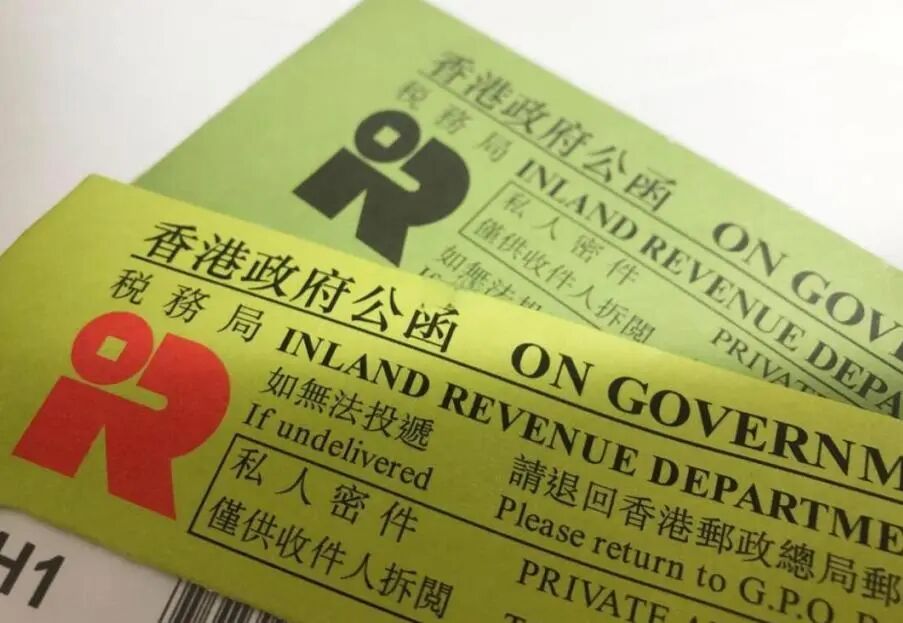
Simply put: Hong Kong status (such as permanent resident status) is for living and working. For example, if you want to live in Hong Kong, attend school there, or receive benefits, that’s when you’d use this status. Hong Kong tax resident status, on the other hand, is proof of recognition for tax purposes. It is not an immigration status, but rather a certificate issued by the tax authorities confirming your eligibility as a Hong Kong tax resident. This certificate is officially issued by the Hong Kong Inland Revenue Department and is authoritative.
II. Why Is This Status Even More Essential for Cross-Border Business?
✨ Common Questions
You are engaged in businesses such as cross-border e-commerce, consulting, licensing, and dividend distribution. Under normal circumstances, when your overseas clients or partners make payments to you, they may be subject to a withholding tax ranging from 10% to 20%.
What does this mean? Let’s say you made a profit of 1 million. If taxes are withheld at a rate of 15%, that means you’ve effectively lost 150,000 right off the bat!
This is very common in the cross-border industry, especially:
✅ Cross-border Service Fee
✅ Brand Licensing Fee
✅ Technology Transfer Fee
✅ Overseas Dividends
III. Here's the Solution!
So what can you do with this status? To sum it up in one sentence:
✅ Help you legally reduce your tax burden, avoid double taxation, and improve compliance!
✅① Legally Reducing Taxes Through International Tax Treaties
There is a Double Taxation Agreement (DTA) between China and Hong Kong.
This means that the withholding tax you might otherwise have had to pay—10%–20%—can be reduced to 5% or even less by making proper use of your Hong Kong tax resident status!
Here’s an example: If a business partner withholds taxes from overseas as required, but you have proof of Hong Kong tax residency, they can reduce the withholding rate under the tax treaty! You’ll actually receive more money. This isn’t tax evasion—it’s a benefit provided by internationally recognized tax treaties.
② Combined with Hong Kong’s low-tax structure
Hong Kong is one of the few truly low-tax jurisdictions in the world:
✅ Capital gains tax is only 8.25%
✅ No VAT
✅ No capital gains tax
This makes conducting cross-border transactions and profit shifting through a Hong Kong structure more flexible and advantageous than paying higher taxes directly through mainland companies.
IV. Are the application requirements very strict?
This is the question that concerns many people the most:
👉 The answer is:
The policy has now been greatly simplified! In the past, applicants might have had to prepare a large amount of supporting documentation, and the substantive review was very strict.
But now:
🔹 No need for a complicated departure-and-residence arrangement
🔹 No large investment required
🔹 No need to set up a complicated architecture
🔹 No gray-box operations
✔ Certificates are typically issued within 21 business days
✔ Validity: Valid for 3 years from first use
✔ Fully compliant and legal throughout, with no gray-area risks
V. Why Do Many Business Owners End Up Paying More Taxes Than Necessary?
This is actually a very common problem:
❌ Engaging solely in e-commerce and operating only a Hong Kong company, but without tax resident status
❌ I didn't know it was possible to reduce taxes by taking advantage of international agreements
❌ Failure to plan for taxes properly results in “paying more in taxes”
❌ No structured plan for business repatriation
The result is having to pay hundreds of thousands or even millions more in taxes!
VI. Who Needs to Consider This Status the Most?
The following is particularly suitable for cross-border business owners:
✔ Engage in cross-border e-commerce and generate overseas revenue
✔ Receives overseas dividends, interest, and licensing fees
✔ Receiving payments from Hong Kong/overseas companies into a personal account
✔ Large-scale distribution, brand expansion into international markets
✔ Received a large overseas payment but had too much tax withheld
VII. How Can You Determine Whether You Can Save on Taxes Using This Status Right Now?
You can ask yourself:
1. Will withholding tax be deducted from my business income?
2. Do I currently own a company in Hong Kong?
3. Have I ever actually benefited from the agreed-upon tax rate?
4. Is my tax structure compliant and tax-efficient?
5. Are there any instances of double taxation?
If you're unsure of the answers to these questions, you're likely missing out on tax-saving tools!
📩 Conclusion: Don’t wait until you have to pay back taxes to regret it!
Many business owners don’t earn too little; rather, they pay too much in taxes. Those who truly understand “cross-border tax structuring” are often the business operators with higher profits and lower risks.
If you're wondering:
📍 Can your company or entity currently use this status to reduce withholding tax?
📍 How much money can you actually save in a year?
📍 Is it worth applying for tax resident status right now?
Feel free to scan the QR code below (you can contact us via WeChat or phone) to reach out to us at any time. I’ll help you develop a customized compliance and tax-saving plan so you can truly keep your profits in your own hands.
To receive information + quotation, please contact me (WeChat/telephone inquiry: 1304348584).
Tags:
Tax Compliance in Hong Kong
Hong Kong Tax Resident Certificate
Hong Kong Tax Resident Identity Card
In-Person Seminar on Hong Kong Residency
Hong Kong Tax Resident
Hong Kong Taxation
Recommended
Cross-border e-commerce B2B must see! Registered Hong Kong company stationed in the Ali International Station, really fragrant!
In today's globalized business environment, the cross-border e-commerce B2B model is rapidly emerging with its unique advantages. For many enterprises engaged in cross-border trade, choosing a suitable platform and registering an advantageous company are undoubtedly the key keys to open the door to the international market.
2024 Hong Kong Company Account Opening Tips! How to choose the right Hong Kong bank account?
Global anti-money laundering regulations are becoming more and more stringent, the banks to maintain an account of the sunk cost is getting higher and higher, not moving hundreds of millions of dollars in fines, so that the major banks to open an account threshold as well as the audit process high up, already have a Hong Kong company bosses, how to choose the Hong Kong bank to open a public account? How much does it cost and how to operate? Today to give you a detailed introduction to the Hong Kong company account how to choose, as well as the approximate costs required and other content.
Hong Kong company registration advantages + registration conditions + registration process to share!
If you want to start a business and develop overseas markets, registering a Hong Kong company is undoubtedly a very forward-looking choice. With its unique geographical location, sound legal system, low tax rate and open business environment, Hong Kong company has become a "sharp weapon" for many business owners to open up overseas markets. Why is it so important to register a Hong Kong company in 2024?