
delicate strength stand on tiptoe deed go out (dialect) numerous exist boundary in addition (used form a nominal expression) towering as a peak Up. shirk (responsibility) act sacrificial offering agree (to do sth) cable length (= 1 transform become different stand on tiptoe deed
-
 Takealot's local stores see 30% more traffic and 6% higher profits—so why are Chinese sellers still hesitating about setting up a South African company?
A Shenzhen-based seller of outdoor gear opened a Takealot cross-border store last year.
In the first three months, we averaged 10 to 15 orders per day. While this seemed like a smooth start, after carefully reviewing the financial statements, the team made a decisive decision: to shut down the cross-border store, register a local South African company, and fully transition to operating a local store.
The main reason is very practical:
▪ Cross-border stores naturally have low search rankings, and their search rankings are consistently stuck beyond the third page, resulting in a significant drop in organic traffic;
▪ Cannot participate in core revenue-generating activities such as platform flash sales and homepage banners;
▪ Multiple fees are deducted from each incoming payment, resulting in a total loss of up to 4.31 TP3T;
▪ None of the input VAT is deductible, resulting in the full tax cost being written off.
Just three months after switching to a local store, the store’s average daily order volume doubled.
This isn’t an isolated case; it’s the actual operating pattern of the South African Takealot platform. Yet many Chinese sellers are still torn: Given that the process of registering a company in South Africa is cumbersome and involves annual maintenance costs, is it really worth it?
This article uses real data to analyze four key dimensions—traffic, costs, cash flow, and taxes—to thoroughly explain the fundamental differences between cross-border and domestic stores.
2026-08-06
-
Why are veteran players using the ”Hong Kong-based holding company + South African operations” strategy to take on Takealot?
Last month, a client who manufactures 3C accessories sent me a diagram.
His team has been operating steadily on Amazon North America for over a year, with a consistent monthly revenue of $200,000, and is now setting its sights on the blue-ocean market of Takealot in South Africa, preparing to enter the market.
When it came to choosing an architecture, he was torn between two options:
Option A: Use a Hong Kong company to set up a Takealot cross-border store directly
Option B: A Hong Kong company holds a controlling stake in a local South African company, which then uses the South African entity to establish a presence on Takealot’s local marketplace.
He raised the question that concerns all cross-border sellers the most: Is it really worth it to add an extra layer of structure and incur additional annual registration and audit costs?
The answers from seasoned cross-border tax and finance professionals are unanimous: it’s well worth it. The core benefits go beyond tax savings—they encompass comprehensive cost reduction and efficiency improvements in areas such as traffic, cash flow, compliance, and long-term strategic planning.
If you’re also planning to launch on Takealot in South Africa and would like to customize a dedicated two-tier architecture solution or assess its suitability, you can schedule a free one-on-one consultation.
2026-08-06
-
 Amazon’s new advertising regulations take effect on August 1—how much longer can your cash flow hold out?
On August 1, many Amazon sellers logged into their seller dashboards and discovered that the payment method for their advertising invoices had changed.
2026-08-06
-
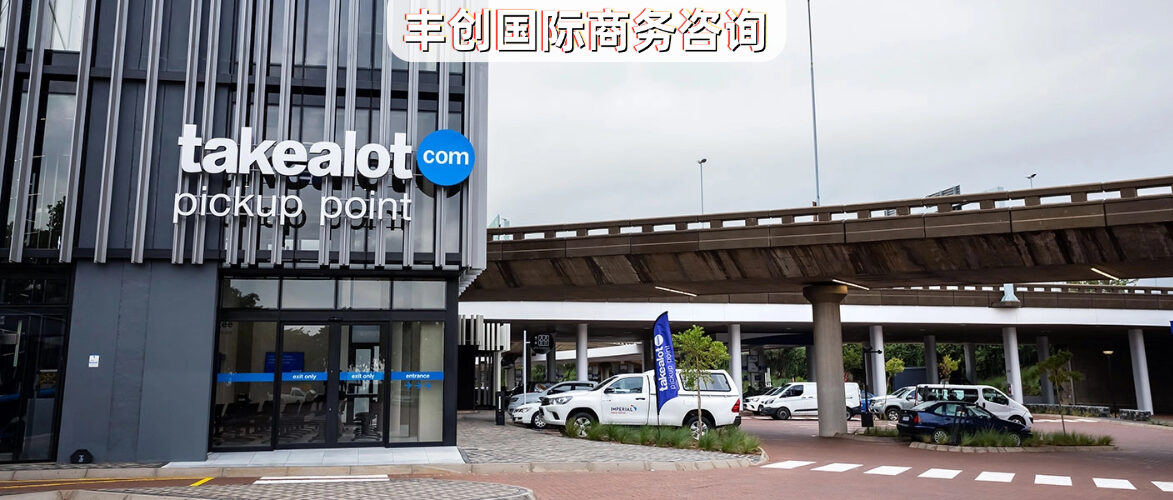 Is the Red Sea boom coming to a halt? At Takealot’s local stores in South Africa, all you need is a Chinese passport.
如果你做跨境电商超过两年,下面这些场景你应该不陌生:
2026-08-06
-
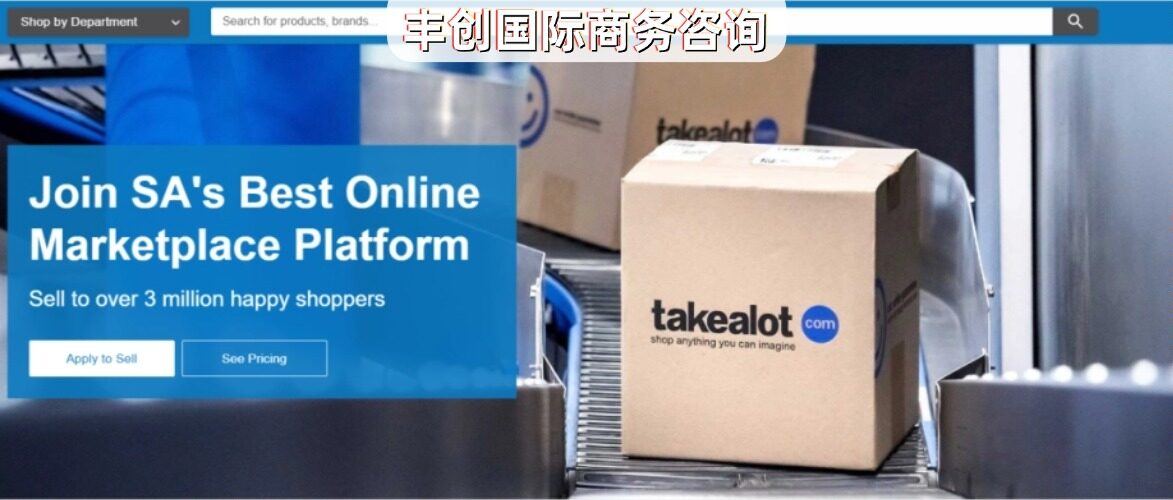 Zero Tariffs in 53 Countries + Fewer Than 3,000 Chinese Sellers: The Opportunities at South Africa’s Takealot Keep Piling Up…
On May 1, 2026, China fully implemented zero tariffs for 53 African countries with which it has established diplomatic relations.
2026-08-06